Bhagavad Gita Explained: A Clear Beginner's Guide
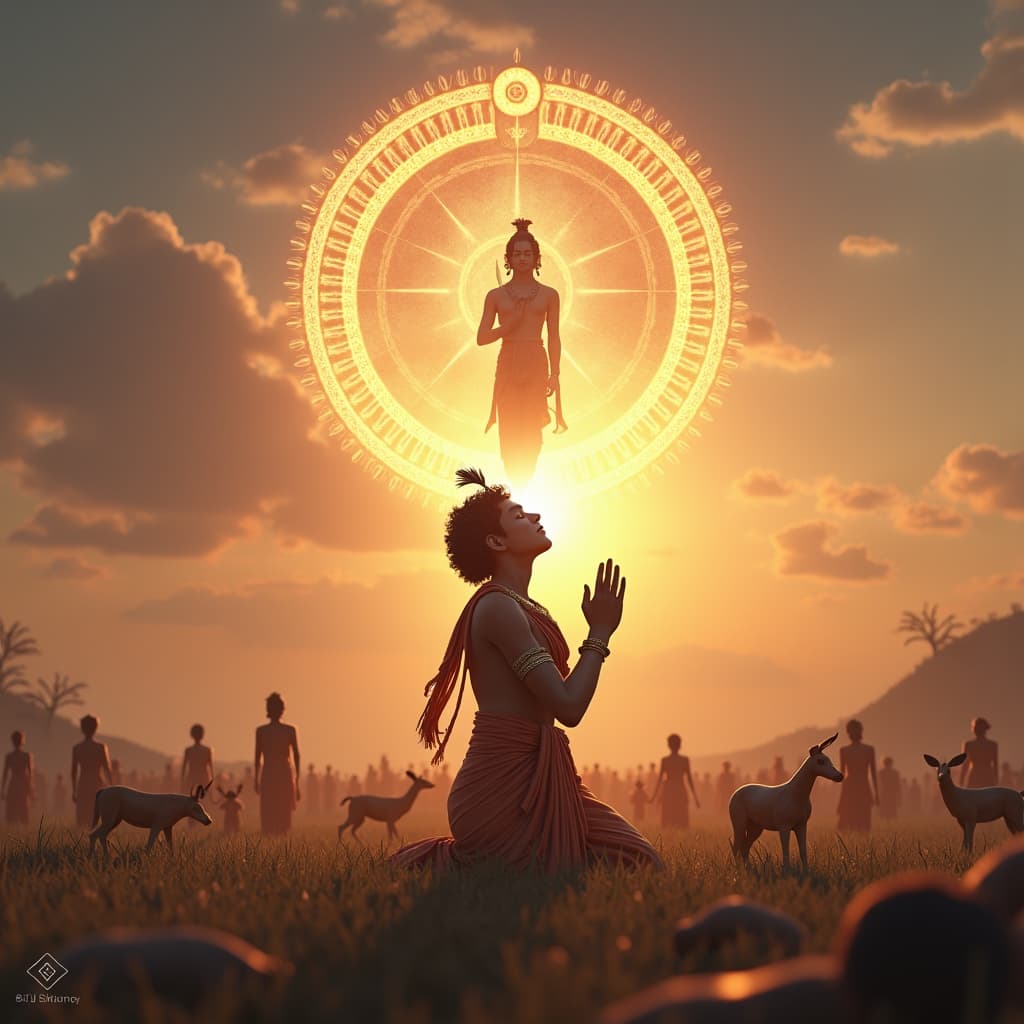
Bhagavad Gita for Beginners: What It Is & Why It Matters
The Bhagavad Gita is a 700-verse Sanskrit scripture embedded within the ancient Indian epic the Mahabharata, and it is arguably the most widely read and revered text in all of Hindu philosophy. At its core, it is a dialogue between the warrior prince Arjuna and Lord Krishna — who reveals himself as the Supreme Divine — on the eve of a great battle. But far more than a war story, the Gita is a comprehensive guide to living with clarity, purpose, and inner peace. If you've ever wanted to understand what the Bhagavad Gita is actually about, this guide is your starting point.
What Is the Bhagavad Gita? The Setting and Story
The Bhagavad Gita takes place on the battlefield of Kurukshetra, where two branches of the same royal family — the Pandavas and the Kauravas — are about to wage war. Arjuna, the greatest archer of his age and leader of the Pandava army, suddenly freezes. Looking across the battlefield, he sees his cousins, teachers, and beloved elders lined up as enemies. Overcome with grief and moral confusion, he drops his bow and turns to his charioteer, Krishna, for guidance.
What follows is one of the most profound spiritual conversations ever recorded.
Krishna does not simply tell Arjuna to fight. Instead, he takes the next 18 chapters to systematically address Arjuna's confusion about identity, duty, action, death, devotion, and the nature of reality itself. The battlefield becomes a metaphor — for every human being who has ever stood at a crossroads, unsure of what is right, what is real, and what truly matters.
The Gita is traditionally divided into 18 chapters, each covering a distinct yogic path or philosophical theme:
- Chapters 1–6: The nature of the self (atman), action without attachment, and the path of knowledge
- Chapters 7–12: The nature of the Divine, devotion (bhakti), and how to know and love God
- Chapters 13–18: The three gunas (qualities of nature), liberation, and a final synthesis of all teachings
The Central Teaching: Who You Really Are
Perhaps the most radical idea in the Bhagavad Gita is this: you are not your body, and you are not your mind. You are the atman — the eternal, imperishable soul that inhabits the body like a person wearing clothes.
Krishna states this directly in one of the Gita's most famous verses:
"Nainam chindanti shastrani, nainam dahati pavakah Na chainam kledayanty apo, na shoshayati marutah." — Bhagavad Gita 2.23
"Weapons cannot cut the soul, fire cannot burn it, water cannot wet it, and the wind cannot dry it."
This teaching transforms everything. If the soul is eternal and indestructible, then grief over death — the source of Arjuna's paralysis — is based on a misunderstanding. The body dies; the soul does not. This is not mere consolation. It is the philosophical foundation for everything that follows: how to act, how to love, how to live.
Understanding who you truly are is the doorway into the Gita's deeper teachings on dharma (righteous duty) and the nature of action itself.
The Three Paths: Karma, Jnana, and Bhakti Yoga
The Bhagavad Gita is not a one-size-fits-all scripture. Krishna recognizes that human beings have different temperaments, and he offers three primary paths — or yogas — to spiritual realization:
Karma Yoga: The Path of Selfless Action
Karma Yoga is the discipline of acting without attachment to results. Krishna's famous instruction is: "You have a right to perform your prescribed duties, but you are not entitled to the fruits of your actions." (BG 2.47)
This doesn't mean you don't care about outcomes. It means you do your best and release the rest. You act from duty and love, not from craving or fear. The result? Action without anxiety. Work without ego. This teaching is the heart of understanding how karma actually works — not as fate imposed from outside, but as the law governing how conscious action shapes reality.
Jnana Yoga: The Path of Wisdom
Jnana Yoga is the path of inquiry, discernment, and direct knowledge. It asks: what is real? What is permanent? What is the self? Through careful investigation — guided by scripture and a qualified teacher — the seeker comes to realize the unity between the individual soul (atman) and the ultimate reality (Brahman). This is the path for those who love to understand things deeply before they can commit to action or practice.
Bhakti Yoga: The Path of Devotion
In Chapter 12, Krishna declares Bhakti Yoga — the path of loving devotion to the Divine — as the most accessible and sweetest path of all. You don't need great intellectual capacity or tireless discipline. You simply need to love. To offer your actions, your worship, your very self to God. This path transforms daily life into constant communion with the Divine.
Most practitioners blend all three, leaning on whichever aspect fits their nature at a given time.
Why the Bhagavad Gita Still Matters Today
You might wonder: what does a 2,000-year-old Sanskrit text have to say to someone dealing with the pressures of modern life? Quite a lot, as it turns out.
The Gita's core questions are timeless:
- How do I know what the right thing to do is?
- Why does doing the right thing sometimes feel so hard?
- How do I stay calm when everything around me is in chaos?
- What am I actually living for?
Krishna's answers — act from duty, not desire; serve without ego; know yourself as soul, not body; surrender the outcome — are not abstract philosophy. They are practical tools for navigating real life. Many people who have never identified as Hindu have found the Gita's teachings on equanimity, selfless service, and inner freedom to be profoundly applicable.
For those exploring how to bring Bhagavad Gita teachings into daily decision-making, the starting point is always the same: know who you are, act from that knowing, and release the rest.
How to Start Reading the Bhagavad Gita
There are hundreds of translations and commentaries on the Gita. For beginners, a few starting points:
- Eknath Easwaran's translation is widely recommended for its clarity and accessibility
- Swami Prabhupada's Bhagavad Gita As It Is offers a traditional Vaishnava perspective with extensive commentary
- Barbara Stoler Miller's scholarly translation is excellent if you want a more academic approach
- Chapter 2 is often recommended as the most essential chapter — it contains the philosophical core of the entire Gita
It also helps to read with a guide or community. The Gita is layered — a single verse can reveal new meaning years after you first encounter it. Study groups, teachers, and AI tools like Vedas AI can help you ask better questions and go deeper.
For guidance on where to start with Hindu scriptures more broadly, the blog has a dedicated post to help you navigate the landscape.
The Bhagavad Gita in the Vedas AI App
The Bhagavad Gita is at the heart of the Vedas AI experience. In the app, you can:
- Ask questions about any verse or concept and receive clear, contextual explanations
- Read the full text with verse-by-verse commentary
- Receive Daily Insights drawn from the Gita's teachings, curated to your current context
- Explore related teachings across the Upanishads, Vedas, and Puranas that illuminate the Gita's ideas
Whether you're reading the Gita for the first time or returning to it after years, the app is designed to be your thoughtful companion — helping you move from understanding concepts to actually living them.
Frequently Asked Questions About the Bhagavad Gita
Q: Is the Bhagavad Gita a religious text only for Hindus? A: While the Gita is a sacred Hindu scripture, its philosophical teachings — on duty, the nature of the self, and how to act with integrity — transcend any single religion. It has been read and respected by thinkers, leaders, and spiritual seekers across many traditions worldwide.
Q: How long does it take to read the Bhagavad Gita? A: The Gita is 700 verses across 18 chapters. A straight reading takes a few hours, but most people find it rewarding to read slowly — one chapter at a time, pausing to reflect. Many devoted readers return to it throughout their entire lives.
Q: Is the Bhagavad Gita part of the Vedas? A: No. The Bhagavad Gita is part of the Mahabharata epic and is classified as smriti (remembered literature), not shruti (directly revealed scripture like the Vedas). However, it synthesizes teachings from the Vedas and Upanishads and is considered equally authoritative by most Hindu traditions.
Q: What does the Bhagavad Gita say about God? A: The Gita presents a vision of the Divine that is both personal and universal. Krishna reveals himself as the Supreme Being — the source of all creation, present in every living thing — while also being a loving, personal God to whom devotees can relate directly. Chapter 11 describes Krishna's cosmic form in vivid, awe-inspiring detail.
Q: Do I need to believe in Hinduism to benefit from the Bhagavad Gita? A: Not at all. The Gita's practical wisdom — act without attachment, know yourself, serve others selflessly — is applicable regardless of your religious background. Many readers approach it as philosophy, psychology, or timeless life guidance rather than doctrine.
Explore the Bhagavad Gita further with Vedas AI — your AI-powered guide to the Gita, Vedas, Upanishads, and all of Hindu philosophy. Ask questions, get personalized insights, and connect ancient wisdom to your daily life. Download free on iOS.
Continue Reading:
Get Vedic Wisdom in Your Inbox
Join our free 5-day email course — one powerful teaching per day from the Bhagavad Gita, Vedas, and Upanishads, with a practice you can try in under 5 minutes.
Explore These Teachings
Download Vedas AI to dive deeper into Hindu wisdom with personalized guidance and daily insights.
Download Vedas AIRelated Articles

April 17, 2026
How to Find Your Dharma: A Complete Guide to Life Purpose
Find your dharma — your unique life purpose — with Bhagavad Gita wisdom and practical steps. Discover the signs you're o...
Read More →
April 3, 2026
What Is Karma? Hindu Meaning, 3 Types & Examples
Karma isn't 'what goes around comes around.' Learn the real Hindu meaning, 3 types of karma, and how intention — not jus...
Read More →
April 2, 2026
What Is Dharma? Hindu Meaning, Types & Purpose
Dharma is the cosmic law and personal duty at the heart of Hindu life. Learn its meaning, the 4 types, and how to discov...
Read More →