How Does Pranayama (Breath Control) Improve Physical and Mental Health?
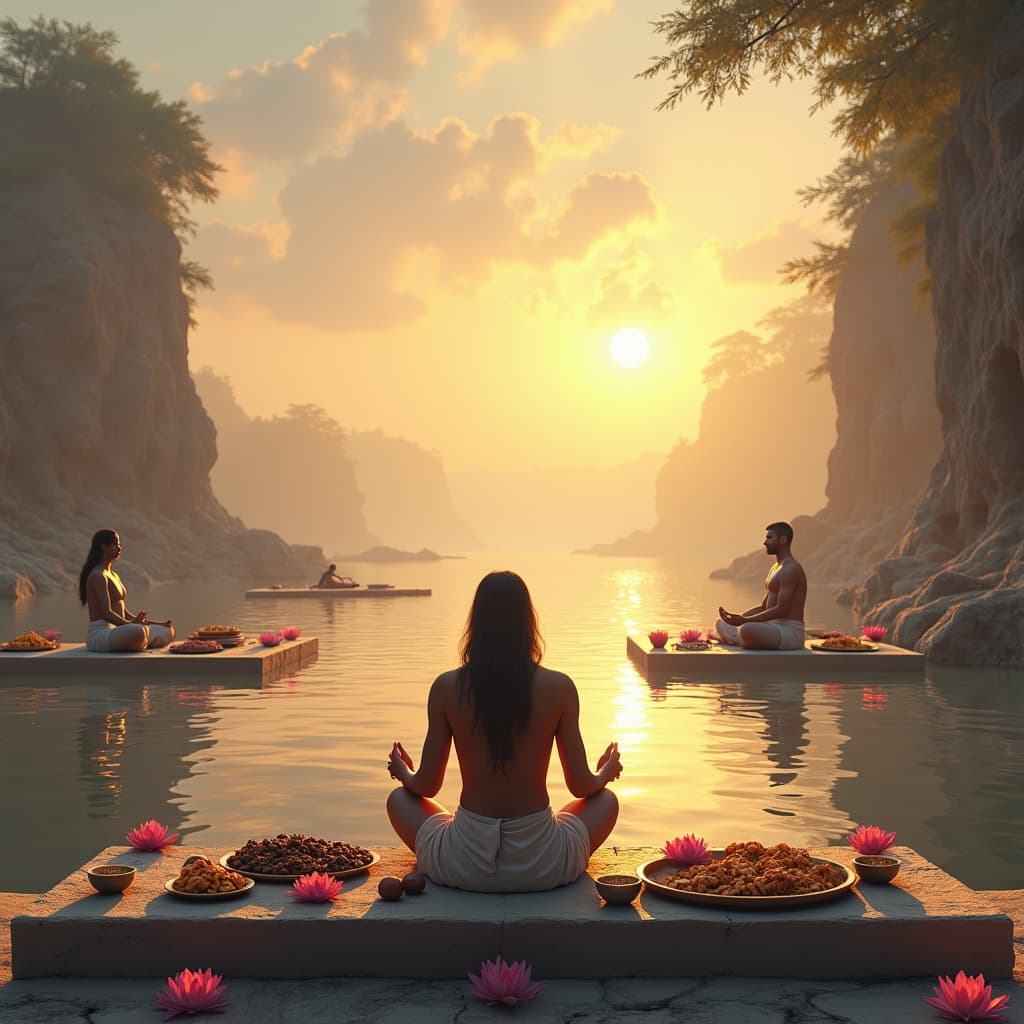
The Yogic Science of Breath
In the yogic tradition, breath is far more than a biological function. It is the bridge between body and mind, the vehicle of prana (life force), and one of the most powerful tools available for transforming human health and consciousness. Pranayama, the fourth limb of Patanjali's Ashtanga Yoga, is the systematic practice of regulating the breath to harness and direct this vital energy.
The word "pranayama" is composed of two Sanskrit roots: "prana" (life force or vital breath) and "ayama" (expansion or extension). Together, they convey the idea of expanding one's life force through conscious breathing practices. The ancient Hatha Yoga Pradipika states that when the breath wanders, the mind is unsteady, but when the breath is calmed, the mind becomes still.
Key Pranayama Techniques
Nadi Shodhana (Alternate Nostril Breathing)
Nadi Shodhana involves breathing alternately through the left and right nostrils using the fingers to gently close one nostril at a time. This technique is designed to purify the nadis (energy channels) and bring balance between the two hemispheres of the brain. It is one of the most widely recommended practices for reducing stress and establishing mental equilibrium.
Kapalabhati (Skull-Shining Breath)
Kapalabhati consists of rapid, forceful exhalations followed by passive inhalations. This energizing technique cleanses the respiratory system, stimulates the abdominal organs, and generates heat in the body. It is traditionally practiced to clear mental fog and increase alertness.
Bhramari (Humming Bee Breath)
In Bhramari, the practitioner produces a steady humming sound during exhalation, often with the ears gently closed. The vibrations produced by this practice have a profoundly calming effect on the nervous system and are particularly effective for reducing anxiety, anger, and insomnia.
Ujjayi (Victorious Breath)
Ujjayi involves slightly constricting the back of the throat to create a soft, ocean-like sound during both inhalation and exhalation. This technique generates internal heat, improves concentration, and is commonly used as a companion breath during yoga asana practice.
Bhastrika (Bellows Breath)
Bhastrika uses vigorous inhalations and exhalations to energize the body and clear the respiratory passages. More intense than Kapalabhati, Bhastrika is traditionally used to awaken dormant energy and prepare the mind for meditation.
Physical Health Benefits
Respiratory Strength and Lung Capacity
The most direct physical benefit of pranayama is the strengthening of the respiratory system. Regular practice increases lung capacity, improves the efficiency of gas exchange, and strengthens the muscles involved in breathing. For individuals with respiratory challenges, gentle pranayama practices can be a valuable complement to medical treatment.
Cardiovascular Health
Slow, controlled breathing techniques like Nadi Shodhana and Ujjayi activate the parasympathetic nervous system, which lowers heart rate, reduces blood pressure, and decreases the production of stress hormones. These effects contribute to long-term cardiovascular health and reduce the risk of heart-related conditions.
Strengthened Immune Function
Research has shown that pranayama practices can positively influence immune function. The combination of improved oxygenation, stress reduction, and enhanced circulation creates conditions that support the body's natural defense mechanisms. Ayurvedic tradition has long considered pranayama an essential practice for maintaining robust health and preventing illness.
Improved Digestion
Many pranayama techniques, particularly Kapalabhati and Bhastrika, involve rhythmic engagement of the abdominal muscles. This massage-like action stimulates the digestive organs and can improve metabolism, reduce bloating, and support healthy elimination.
Detoxification
Deep, conscious breathing enhances the body's ability to expel carbon dioxide and other metabolic waste products through the lungs. The yogic texts describe this process as a purification of the subtle body, removing energetic blockages that impede the free flow of prana.
Mental and Emotional Health Benefits
Stress Reduction and Anxiety Relief
Perhaps the most well-documented benefit of pranayama is its ability to reduce stress and anxiety. By consciously slowing and deepening the breath, practitioners send signals to the brain that activate the relaxation response. This shift from sympathetic (fight-or-flight) to parasympathetic (rest-and-digest) nervous system dominance produces immediate feelings of calm and safety.
Enhanced Mental Clarity and Focus
The yogic tradition teaches that scattered breathing leads to a scattered mind. By establishing smooth, rhythmic breathing patterns, pranayama naturally sharpens concentration and mental clarity. Many practitioners report improved focus, better decision-making, and greater creative insight after consistent pranayama practice.
Emotional Regulation
Pranayama provides a direct, physiological tool for managing emotional states. When anger, fear, or sadness arise, the breath pattern changes in characteristic ways. By consciously returning to a balanced breathing pattern, practitioners can interrupt reactive emotional cycles and choose more measured responses.
Preparation for Meditation
In the classical yoga system, pranayama serves as an essential preparation for meditation (dhyana). By calming the breath and quieting the nervous system, pranayama creates the optimal internal conditions for deep, sustained meditation. Many meditators find that even five to ten minutes of pranayama before sitting dramatically improves the quality of their meditation.
The Pranic Body in Hindu Philosophy
Hindu philosophy describes a subtle energy body (pranamaya kosha) that interpenetrates the physical body. This pranic body is animated by five types of prana, each governing different physiological functions. Pranayama practices are designed to balance and harmonize these pranic currents, resulting in vibrant health, emotional stability, and heightened awareness.
The nadis, or subtle energy channels, are said to number 72,000 in the human body. When these channels become blocked through stress, poor diet, or unhealthy habits, disease and mental disturbance follow. Pranayama acts as a cleansing practice that restores the free flow of energy through these channels.
Getting Started Safely
While pranayama is generally safe for most people, it is important to approach the practice with respect and gradually build capacity. Beginners should start with gentle techniques like deep diaphragmatic breathing and simple Nadi Shodhana before progressing to more vigorous practices. Learning from a qualified teacher is recommended, especially for advanced techniques like Bhastrika and prolonged breath retention (kumbhaka).
The beauty of pranayama lies in its accessibility. No special equipment is needed. A few minutes of conscious breathing each day can serve as the foundation for a lifetime of improved physical and mental health, carrying forward the wisdom that the ancient yogis entrusted to humanity.
Get Vedic Wisdom in Your Inbox
Join our free 5-day email course — one powerful teaching per day from the Bhagavad Gita, Vedas, and Upanishads, with a practice you can try in under 5 minutes.
Explore These Teachings
Download Vedas AI to dive deeper into Hindu wisdom with personalized guidance and daily insights.
Download Vedas AIRelated Articles
January 4, 2025
How Can I Use Hindu Principles to Reduce Stress?
Practical Hindu approaches to stress relief through yoga, pranayama, meditation, karma yoga, and Ayurvedic practices for...
Read More →
May 4, 2026
What Do Dreams Mean in Hinduism? A Symbolic Guide
Discover what dreams mean in Hinduism — from the Mandukya Upanishad's dream state to auspicious signs, scriptural symbol...
Read More →
May 1, 2026
How to Pray in Hinduism: A Complete Beginner's Guide
Learn how to pray in Hinduism with this beginner's guide — daily prayer, mantras, simple rituals, and what prayer truly ...
Read More →